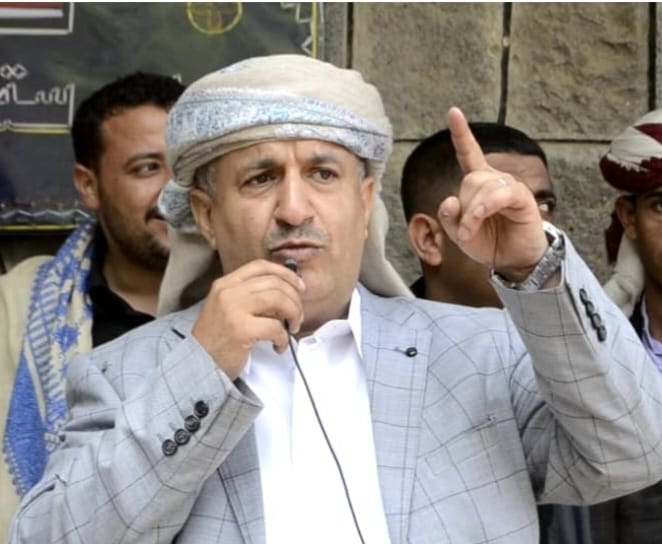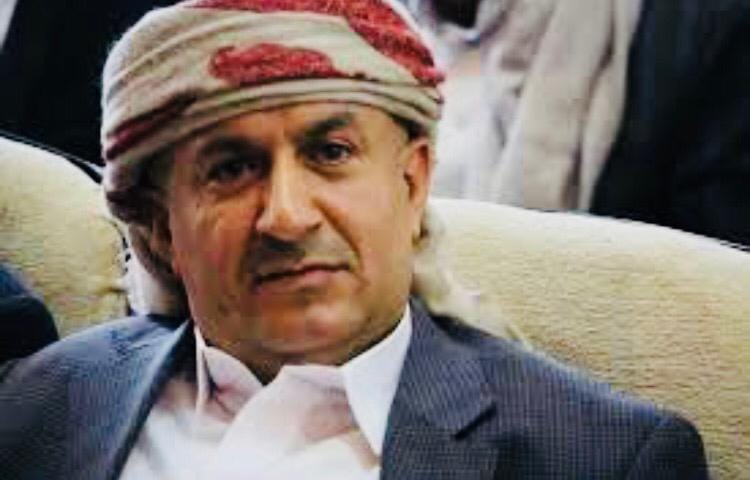


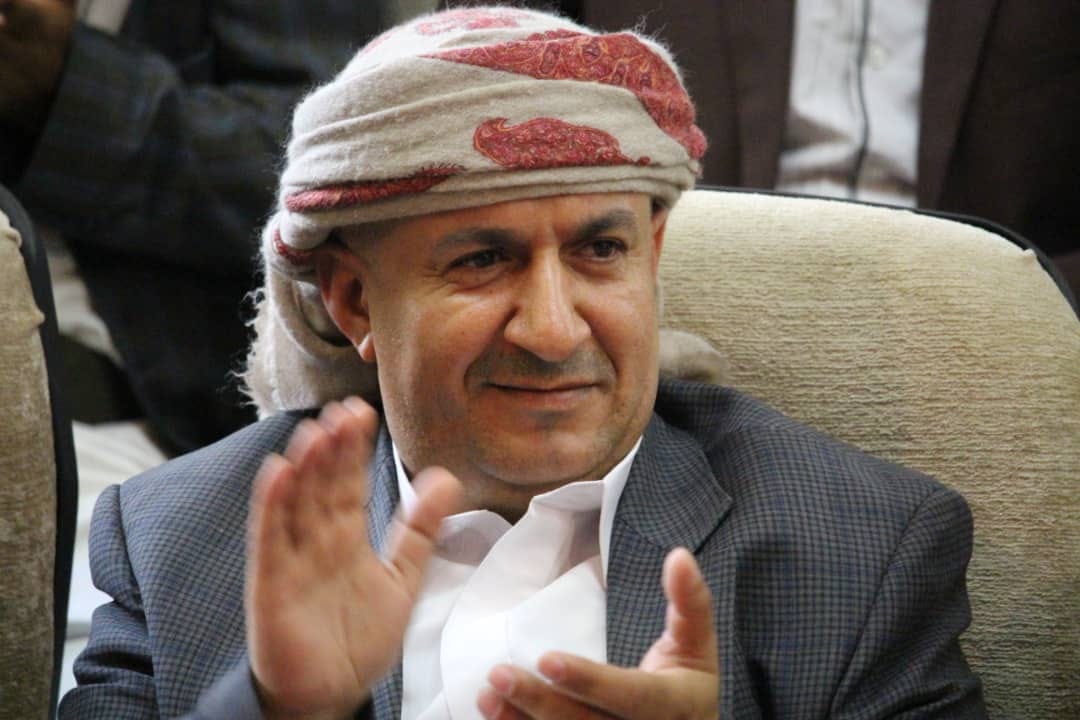
Sheikh Abdul Aziz Al-Aqab, head of the Fekr Organization for Dialogue and human rights Defense, is regarded as one of the prominent national figures who enjoys broad acceptance within the contemporary Yemeni landscape. He represents a unique model of a consensus-oriented leader, drawing upon a combination of fundamental and exceptional strengths that bring together deep-rooted social heritage, an official military background, civil and human rights activism, and balanced regional engagement.
1. Social and Historical Dimension (Roots and Social Standing)
Sheikh Abdul Aziz Al-Aqab belongs to a distinguished and deeply rooted Yemeni family. His lineage traces back as one of the descendants of Al-Aqab Ibn Dhi Al-Kala‘ Al-Himyari, a heritage that connects him to the ancient Himyarite kings, who hold a firmly established historical position in Yemeni society and collective memory.
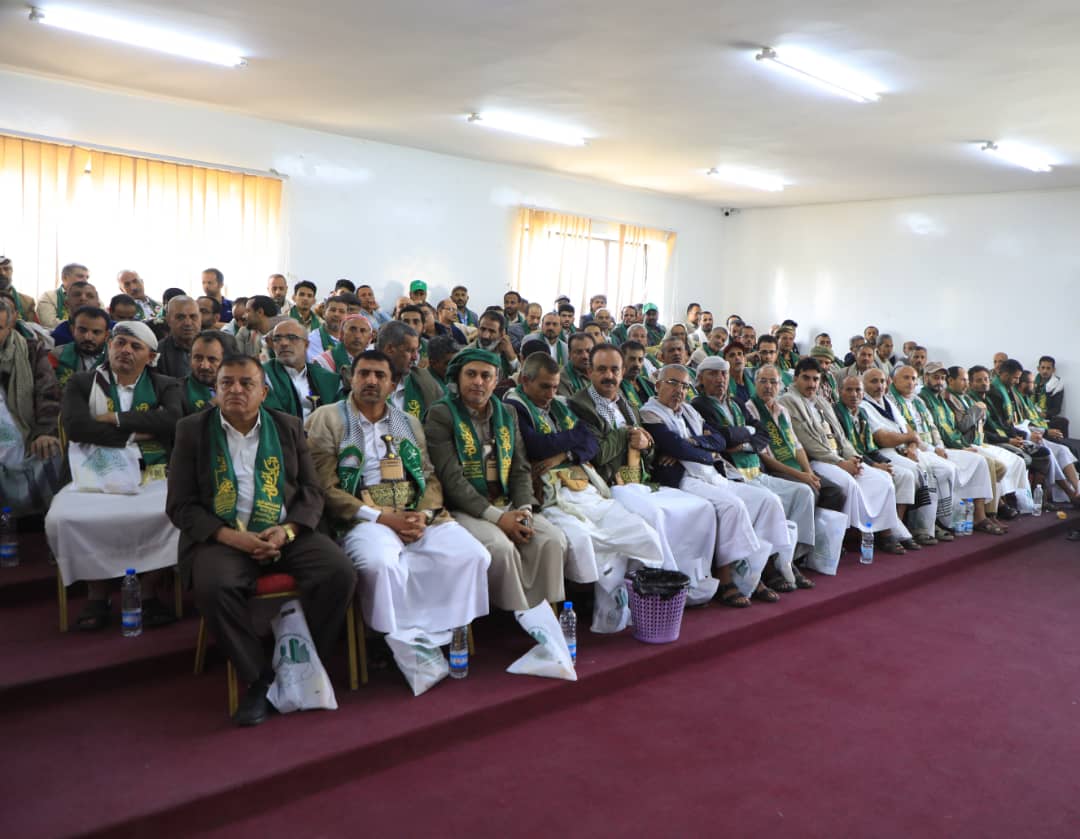
As a prominent social figure and a respected tribal leader, Sheikh Abdul Aziz Al-Aqab possesses authentic tribal legitimacy that provides him with significant influence on the ground and broad acceptance among Yemeni tribes. This enables him to play an effective role in conflict resolution, mediation, and community reconciliation.
2. Military Dimension (Affiliation with the Official Institution)
In addition to his tribal and social standing, Sheikh Abdul Aziz Al-Aqab possesses a distinguished and disciplined military background as a graduate of the Military Academy. This military dimension provides him with a profound understanding of security and military dynamics on the ground and enables him to establish common ground with field commanders and defense institutions.
3. Political and Civil Dimension (Dialogue and Human Rights)
His political and civil role is reflected through his leadership of the Fekr Organization for Dialogue and human rights Defense, where he leads active humanitarian and human rights initiatives focusing on issues that directly affect the lives of Yemeni citizens, including opening roads and humanitarian corridors, following up on prisoners and detainees, and advocating for the payment of public employees’ salaries.
4. Regional and Diplomatic Dimension (Balanced Relations)
The different dimensions of this personality are further strengthened by his close and balanced relations with the Sultanate of Oman, a country widely recognized for its historic role as a neutral and impartial mediator in the region.
Conclusion
The combination of tribal and social depth, military discipline, civil activism, and balanced diplomacy makes Sheikh Abdul Aziz Al-Aqab a consensus-oriented figure with the potential to play a pivotal role in leading and managing any future transitional phase aimed at rebuilding the state and unifying the Yemeni people.
Written by: Abdulrahman Wassel